
Currently Empty: ₹0.00
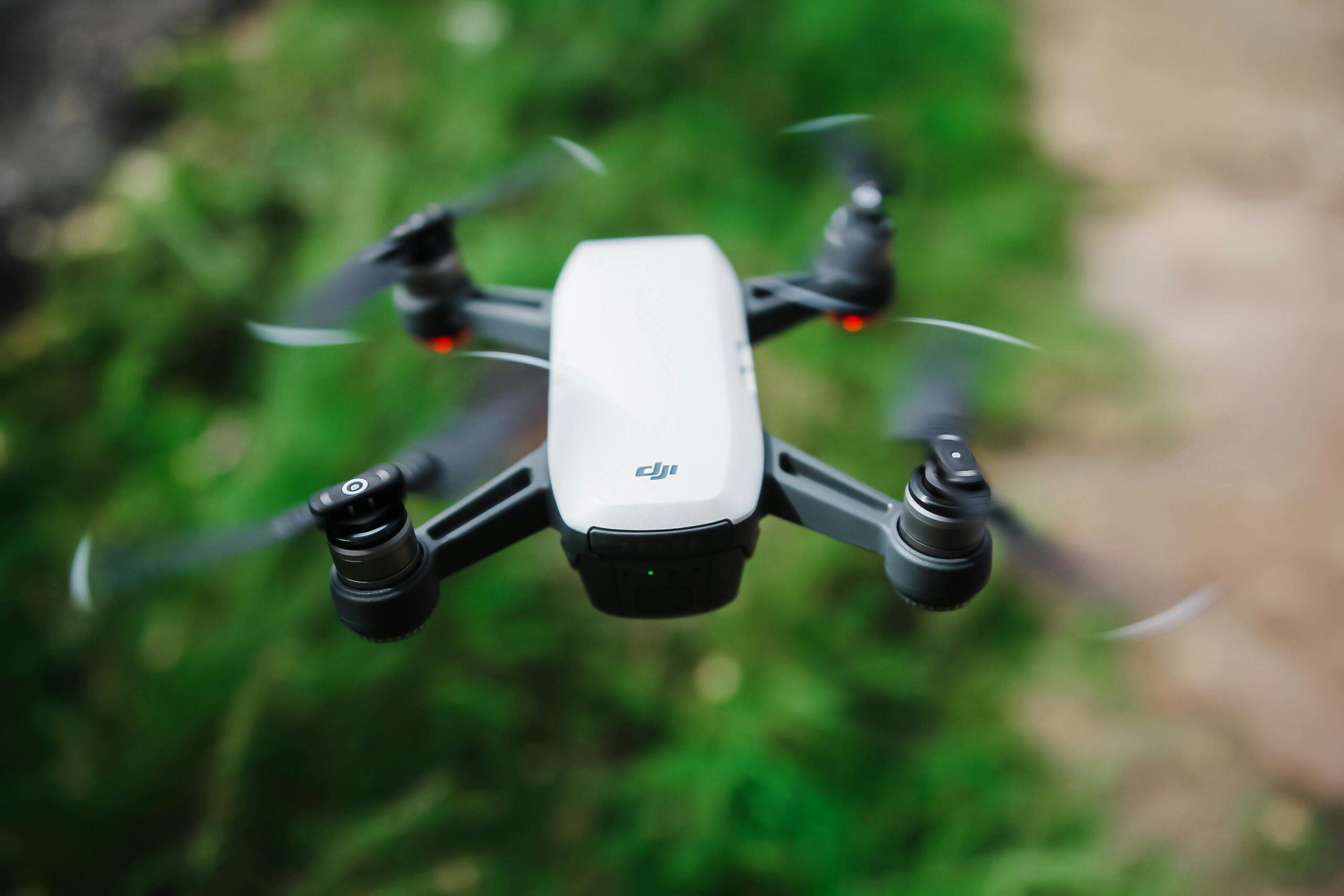
A UAV drone is a flying robot that works without a human onboard, helping people and industries in amazing ways every day. From taking pictures in the sky to helping firefighters and farmers, these smart machines are changing how tasks get done all across the world. Here is everything a beginner needs to know about UAV drones, explained in a simple and interesting way that anyone in grade six or above will understand.
What is a UAV Drone?

UAV stands for Unmanned Aerial Vehicle, which means a drone is an airplane or helicopter that can fly without a pilot riding inside it. People control drones using a remote or even an app on their phone, and some drones fly on their own, using computers to know where to go. Drones have important parts, such as flight controllers (the drone’s “brain”), motors, propellers, GPS modules, cameras, and batteries.
Different Types of UAV Drones
There are several kinds of UAV drones, each designed for special jobs:
Multirotor drones (like quadcopters) have four or more spinning blades and are great for taking pictures and flying in small spaces.
Fixed-wing drones look like regular airplanes. They need runways to take off and land but can fly for long distances and carry heavy loads.
Single-rotor drones are like helicopters, hovering in one spot for aerial pictures or crop spraying.
Hybrid drones combine the features of airplanes and quadcopters—they can take off vertically and then fly like a plane.
Small and nano drones are tiny, sometimes fitting into a palm, and are used for simple tasks or indoor flights.
Key Technology Features
What makes UAV drones so smart? They use technology like GPS to know exactly where they are in the sky, have sensors for capturing images and data, and can avoid bumping into things with special safety systems. Many drones use a camera to take pictures or videos from above, and some can even track things using thermal sensors.
Remote controls or mobile apps allow people to steer drones easily.
Autopilot software helps drones fly on their own, following plans set ahead of time.
Data tools make it possible to turn drone images into 3D maps or useful information for farming, mining, or construction.
Exciting Uses of UAV Drones

Drones are now used in almost every part of life. Here are some cool ways people and businesses use them:
Agriculture: Farmers use drones to check crops, spray fertilizer, and find problems early. This saves money and helps plants grow better.
Photography & Film: Drones help photographers and movie-makers capture stunning views from the sky that were impossible before.
Construction & Mapping: Workers use drones to check on buildings, map land, and ensure safety without climbing risky structures.
Disaster Response: During floods, fires, and storms, drones help find people, deliver supplies, and see damage quickly.
Delivery: Some companies use drones to deliver packages, medicines, and even food, especially in places that cars can’t reach.
Defense & Security: Drones are used by the military for surveillance, patrol, and sometimes to carry supplies or monitor dangerous areas.
Search and Rescue: If someone is lost or in trouble in a hard-to-reach place, drones help find them quickly and safely.
Environmental Protection: Scientists use drones to study forests, wildlife, and pollution, helping keep nature healthy.
Learning to Fly a UAV Drone
Flying a drone is fun and easy if done safely. Here are some steps and tips for beginners:
Start in a wide-open space with few trees or buildings so the drone won’t crash easily.
Check the battery life, propellers, and weather before every flight.
Use gentle movements on the remote or app so you can smoothly control the drone.
Practice flying in patterns (like squares or circles) to get used to steering and managing its height.
Always keep the drone within sight and pay attention to rules about where you can fly.
Safety and Rules
Drones must be flown responsibly to keep everyone safe. Here’s what is important to remember:
Different countries have their own drone laws, so always check local rules before flying.
Stay away from airports, crowds, and emergency zones to prevent accidents.
Do not fly higher than allowed (usually 400 feet), and keep the drone in sight.
Respect other people’s privacy—do not record or fly over private property without permission.
Always avoid flying in bad weather like rain, fog, or strong wind.
Benefits of UAV Drones

People love drones because they make life easier and safer in many ways:
Safety: Drones can inspect dangerous places—like tall towers or disaster scenes—without putting people in harm’s way.
Saving Money: Using drones for checking crops, buildings, and land costs much less than hiring helicopters or workers.
Fast Data: Drones can collect information and take pictures quickly, helping people make better decisions.
Precision Jobs: With GPS and sensors, drones can do exact tasks, like spraying fields or delivering things to the right spot.
Easy to Use: Modern drones are simple to fly, even for beginners, with easy controls and smart safety systems.
Limitations and Challenges
Drones are powerful, but they come with a few challenges:
Battery life is limited, so drones sometimes need to come back and recharge often.
Weather (like rain or strong wind) can make flying difficult or risky.
Rules and permissions can be strict; always know the legal requirements before flying.
Sometimes, drones are noisy or could bother animals or people if used irresponsibly.
Privacy is important; using cameras on drones must be done respectfully.
Drone Trends and the Future

The future of UAV drones is very exciting. New features like smarter computers, longer battery life, and better cameras are coming fast.
Drones will be even quieter and faster, helping with disaster rescue, security, and new delivery systems.
AI (artificial intelligence) will let drones go on missions by themselves, without human help.
Connected drones will work together as a team for bigger jobs, like monitoring forests or doing search and rescue.
How UAV Drones Impact Daily Life
UAV drones are changing how people work, play, and stay safe:
Students can learn about science and technology by building or flying their own drone in school projects.
Farmers harvest more crops efficiently with drone support.
Emergency teams save lives in disasters by using drones to reach places too dangerous for people.
Movie directors create cool shots and special effects that viewers love.
Ordinary people are now able to take great photos or videos of vacations and events.
Making The Most of UAV Drones
Whether for fun or work, drones offer a unique way to see and interact with the world from above. Remember, practicing safety and respecting rules helps everyone enjoy drones while staying safe and protecting others.
Drones are leading a revolution in fields like farming, construction, safety, and entertainment, making tasks simpler, faster, and much more fun for everyone—kids and adults alike
How UAV Drones Developed Over Time
UAV drones have evolved from simple balloons used by inventors and militaries into the high-tech flying robots we see today.
In 1783, French inventors launched the first unmanned hot air balloon, rising over 6,000 feet and flying for 10 minutes—a big step for unmanned flight.
By 1849, the Austrian military tried to use unmanned balloons with bombs in warfare, though most balloons missed their targets when the wind shifted.
In 1898, Nikola Tesla demonstrated a radio-controlled boat, showing that machines could be steered remotely with a wireless signal. This was the first hint that radio could make flying drones possible years later.
Before and during World War I, inventors built and tested small aircraft remotely controlled by radio waves, often for military training.
In the 1930s, various countries used radio-controlled airplanes as targets for shooting practice, and the name “drone” was first used for these aircraft.
In the 1970s and 80s, Abraham Karem, sometimes called the “father of UAV technology,” created early drones for the US military, including the famous Predator drone. This design inspired many of the drones used worldwide today.
Changes in UAV Drone Technology
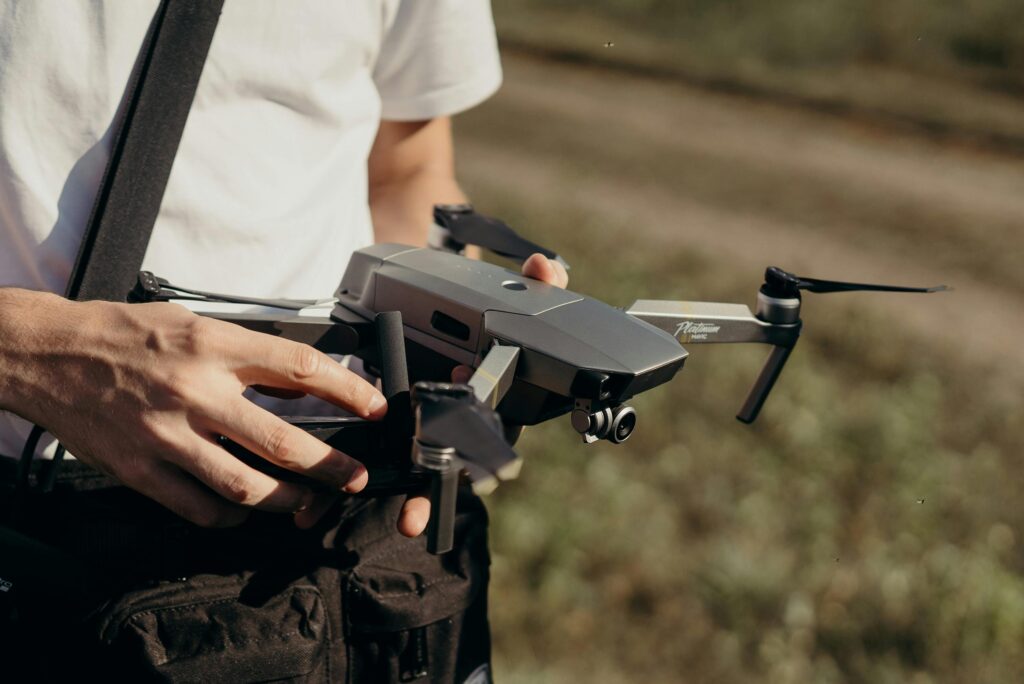
Today’s UAV drones are worlds apart from the early models. Here’s what’s new:
Modern drones are light and made from strong materials like carbon fiber and plastics, making them safe and robust.
Batteries have improved, so drones can fly further and longer than ever before.
Cameras on drones now take high-definition photos and videos, and they can see with infrared or thermal sensors in the dark.
Autopilot features let drones follow complicated routes and return home all by themselves if the signal is lost.
How UAV Drones are Used in Education
Drones are not just tools for grown-ups; they play an innovative role in education too:
Science teachers use drones in lessons to explain aerodynamics, coding, and data gathering.
Students build drone kits, learn about flight, and practice piloting safely to prepare for tech jobs in the future.
Sometimes, schools hold drone competitions, teaching kids teamwork, engineering, and creativity.
Cool Drone Facts for Kids and Adults
The first drone photo ever was taken from a hot air balloon in 1858 in Paris, even though the photo itself is now lost.
In 1991, drones were in the air 24/7 during the Gulf War to help soldiers and keep watch from above.
Today, drone light shows, where hundreds or thousands of drones fly together to create patterns in the night sky, wow crowds at big events and festivals.b