
Currently Empty: ₹0.00
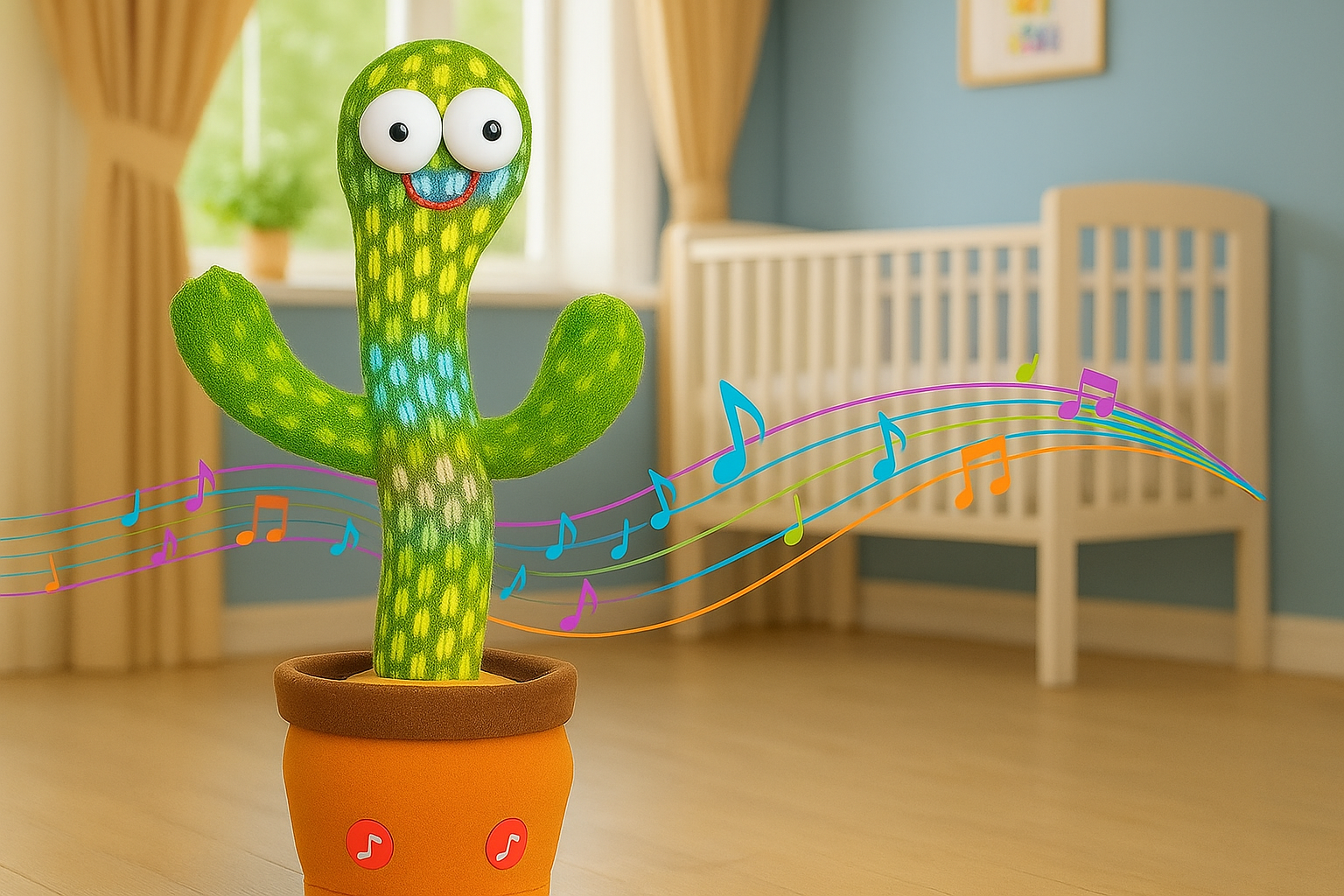
The dancing cactus toy has rapidly become one of the most captivating playtime companions for children, blending entertainment, education, and laughter in one charming package. With soft green spikes, a happy smile, and an impressive ability to groove to music and repeat speech, this toy isn’t just a trend—it’s a playful tool that adds joy and learning to every playroom. Let’s explore what makes the dancing cactus toy so popular, how it works, why kids love it, and how parents can benefit from adding one of these lively cacti to their homes.
What is a Dancing Cactus Toy?
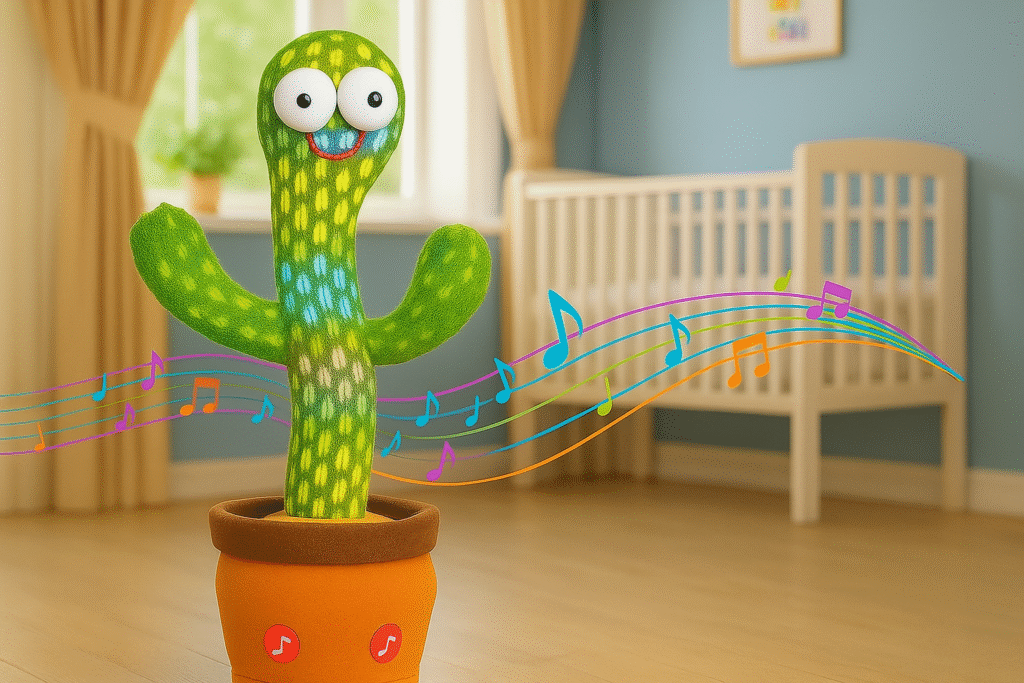
At its heart, the dancing cactus toy is a plush cactus with electronic features that can sing, dance, record, and repeat voices. Some even light up and move in rhythm with the music. Typically, its body is covered in soft fabric—giving it a friendly, huggable feel—and its face is embroidered with big, expressive eyes and a cheerful mouth. Most models stand about 30 centimeters tall and are suitable for children aged three and up.
It uses batteries or a USB charging port to power its movements and sounds. The toy’s ability to mimic voices is one of its standout features, delighting children when it repeats phrases with a silly twist. Songs range from nursery rhymes to pop hits, making every play session exciting.
check the link if your interesed in the product so click on product
How Does the Dancing Cactus Toy Work?
Inside the cactus is a clever combination of motion sensors, audio technology, and mini motors. When activated, the cactus starts to sway, wiggle, or twirl. Some versions will flash their lights, creating a tiny disco in your living room. Others will record your child’s voice and play it back—sometimes in a funny, robotic tone.
To use the toy, kids typically press a button on the cactus’s body to make it dance, sing, or repeat words. Some models switch functions based on pressing different buttons or a combination of touches. This simple operation means even young children can enjoy the toy with little help.
Why Do Kids Love the Dancing Cactus Toy?
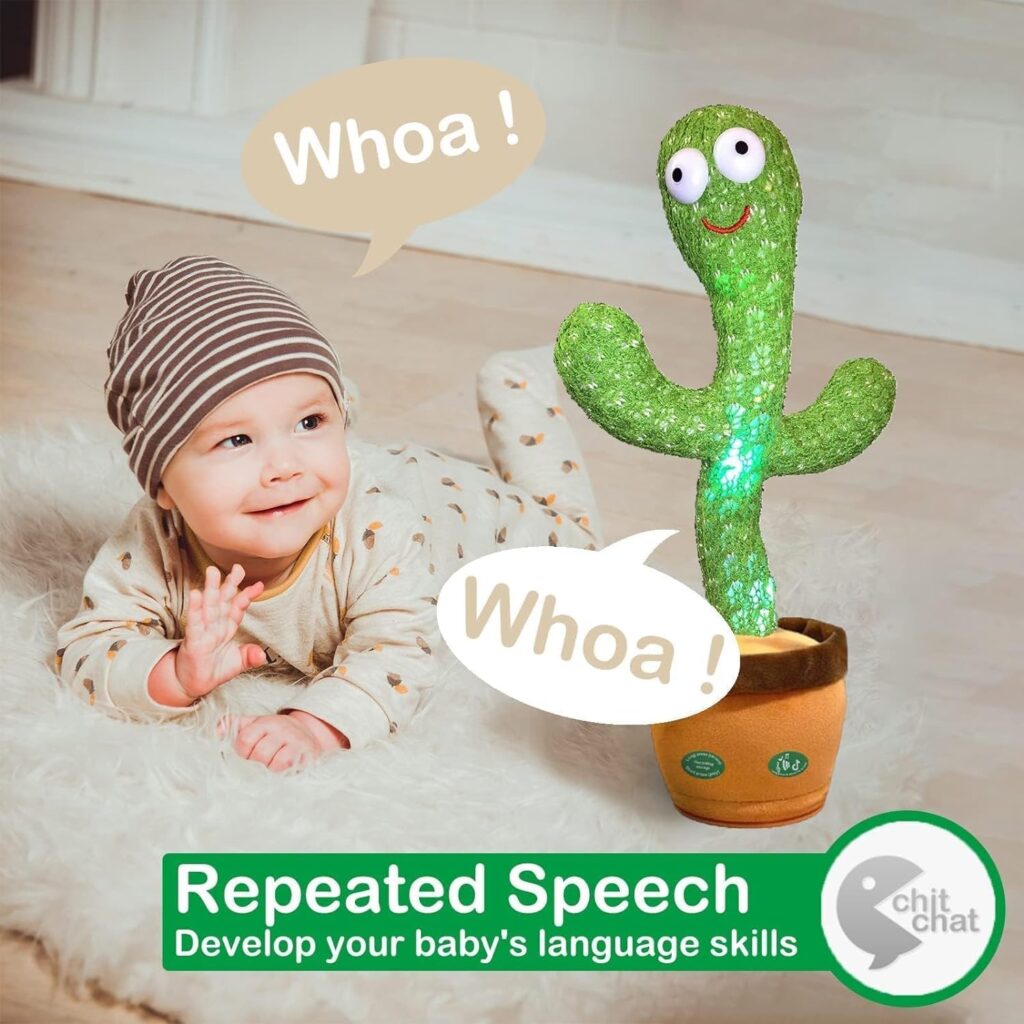
The toy’s ability to repeat anything spoken to it invites endless giggles. Imagine a child saying “Hello, cactus!” and hearing their greeting echoed back in a silly voice. This instant reaction encourages children to play and interact, building their curiosity and language skills at the same time.
The dancing cactus isn’t just a speaker—it’s a performer. Colorful lights and funny moves are irresistible to little ones. Sometimes, parents join in the fun, making it an interactive playtime experience for the entire family. With its soft body, children are safe to hug and play with it, unlike hard plastic toys.
Educational Benefits of the Dancing Cactus Toy

Beyond just making children laugh, the dancing cactus toy serves several learning purposes:
Language Development: When children hear their own words repeated, they learn about sounds, pronunciation, and vocabulary, which supports early language skills.
Music Appreciation: Playing different songs introduces kids to various musical styles and rhythms, helping develop listening skills.
Cognitive Skills: Recording and playing back voices involves memory and concentration, as children try to remember what they said and listen carefully.
Emotional Growth: Dancing along with the toy or watching its light show can boost mood and decrease anxiety, especially for shy or anxious children.
Safety and Parental Controls
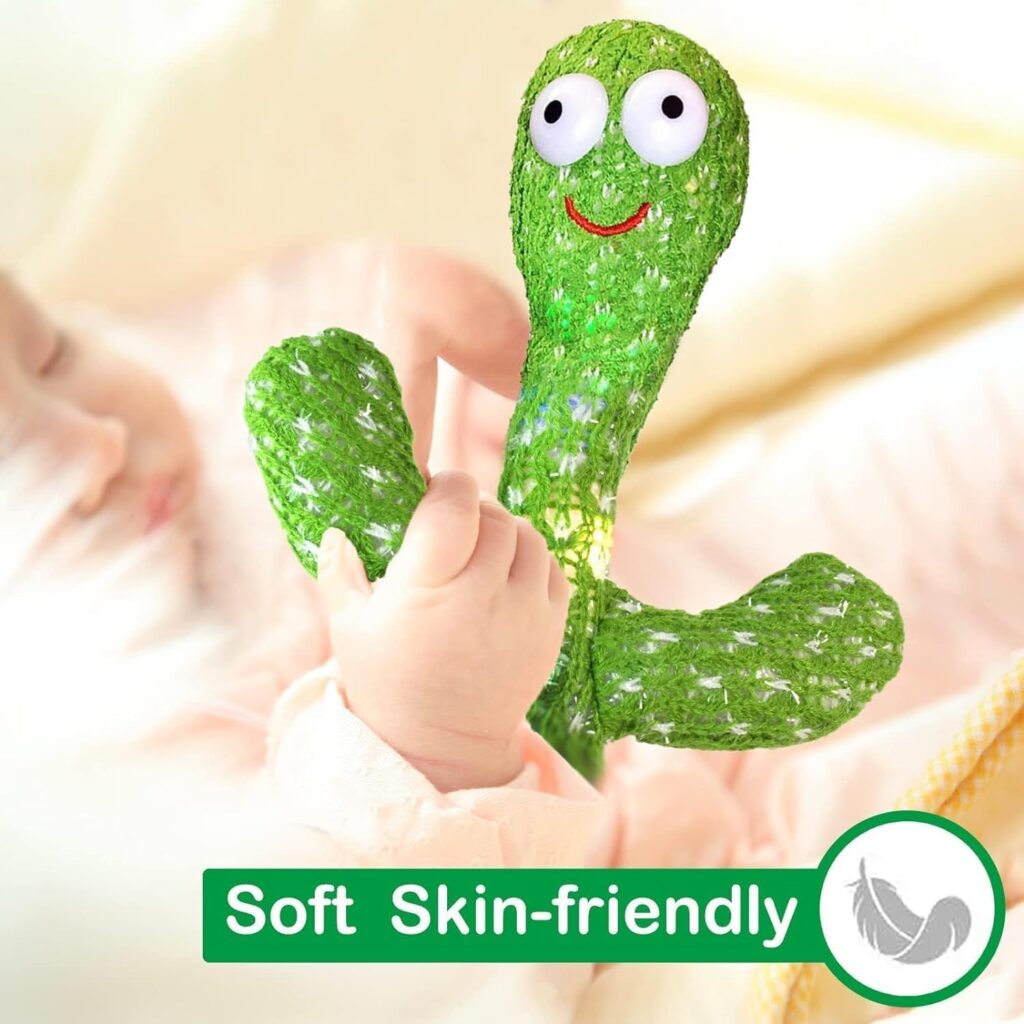
Parents often worry about the safety of electronic toys. Most dancing cactus toys are made of non-toxic materials and have no small parts that can be swallowed, making them safe for young children. The outer shell is stitched securely, and the electronics are enclosed in the plush body.
Some advanced models have options to set volume limits, so music and voice playback won’t be too loud. This is an important feature for protecting young ears. Many dancing cactus toys automatically power off after a period of inactivity, saving battery life.
How the Dancing Cactus Toy Encourages Social Interaction
Children often invite others to play with toys that “talk back.” Since the dancing cactus repeats phrases, it quickly becomes the center of attention during playdates and family gatherings. Kids will practice speaking, try singing, and invent funny phrases to hear them repeated.
Toys that support speech, music, and dance encourage group play, which nurtures teamwork, sharing, and communication skills. The dancing cactus toy easily becomes a “party starter,” helping kids bond and express themselves.
Choosing the Best Dancing Cactus Toy
When shopping for a dancing cactus toy, several features deserve attention:
Type of Songs: Some toys have built-in playlists, while others let parents add new songs with a USB cable.
Language Support: Multi-language versions are available for homes with bilingual children.
Voice Recording Quality: Higher-end models offer clearer playback and longer recording times.
Warranty and Durability: Well-made toys have sturdy stitching and reliable electronics.
Battery Life: Rechargeable options are more convenient than battery-only models.
Compare prices, reviews, and features to find the best fit for your needs.
Creative Ways to Play with the Dancing Cactus Toy
Singing Competitions: Children can try to sing along with the cactus, recording their performances and playing them back for the family.
Storytelling: Parents and children can take turns telling short stories to the cactus and laugh as it “retells” them in a funny voice.
Dance Parties: Use the cactus as a DJ for impromptu living room dance sessions.
Language Practice: Practice words in new languages—let the cactus repeat them so everyone can hear the pronunciation.
Dancing Cactus Toy in Schools
Some teachers use the dancing cactus toy in classrooms as an interactive helper for group activities. It can repeat vocabulary words, dance along during music lessons, or help shy students speak in front of the class. Because it’s friendly and non-threatening, the toy encourages participation and makes learning sessions more exciting for younger students.
Maintenance and Care
The dancing cactus toy is generally easy to clean. Use a damp cloth and mild soap to wipe its plush exterior. Avoid immersing it in water, as this could damage the electronics. If the battery runs low, recharge it using the USB cable or replace the batteries as directed. With gentle care, the toy will last for years.
Why Parents Choose the Dancing Cactus Toy
Entertaining and Interactive: Keeps children busy for hours with singing and dancing.
Supports Early Learning: Language, music, and cognitive skills grow with regular play.
Safe and Durable: Designed with little hands and growing minds in mind.
Easy to Operate: Even young children can start and enjoy its features.
Affordable: Many options available to suit every budget.
Fun Facts and Trivia
The dancing cactus toy first became famous due to viral online videos of children laughing at their cactus’s silly reactions.
Some special models can be programmed for holiday songs, making them ideal for birthday parties or Christmas celebrations.
The toy’s popularity has spread worldwide, with models available for different regions and languages.
Buying Guide and Online Shopping Tips
Research toy reviews before purchasing—check websites, parenting blogs, and social media for honest feedback. Make sure the cactus’s size matches what’s listed, as some sellers show photos of larger toys that are actually quite small. Choose reliable sellers with warranties to protect against defects.
Compare several options side-by-side, focusing on song variety, voice playback quality, battery life, and price. Popular online stores and local shops often offer seasonal discounts, so monitor prices for the best deal.
Common Questions About Dancing Cactus Toys
Can the dancing cactus toy record songs other than those included?
Yes, some advanced versions can record and play back any sound, so children can enjoy custom voice messages, songs, or even funny noises.
Do all models repeat voices?
Not every model does so—some are limited to singing and dancing only. Check the product details to confirm this feature.
Is it safe for babies?
Most toys are recommended for children aged three and up, but some newer models are approved for younger ages. Always verify safety guidelines before purchasing.
How to Make Playtime Interactive
Get creative with how the dancing cactus toy is used. It can be a dance teacher, a karaoke partner, or even a friendly “talking” plant in pretend games. Hide clues around the room and let the cactus reveal them with its voice, or use it to teach new words in fun ways.
Parents can join in by playing their favorite songs or making up dances, transforming playtime into a special family moment. The toy’s ability to repeat speech lets children practice pronunciation, helping bilingual families and those with speech development needs.
The Lasting Appeal of the Dancing Cactus Toy
The joy brought by this delightful toy goes beyond its funny moves and catchy songs. As a friend, teacher, and entertainer, the dancing cactus toy stands out as a must-have for every modern playroom. Children form strong attachments to toys that interact with them, and the dancing cactus does just that, enhancing imagination and social development every day.
With its playful personality and learning benefits, this cheerful cactus makes every day a little brighter. The dancing cactus toy combines fun and education, making it a favorite among kids, parents, and educators everywhere.