
Currently Empty: ₹0.00
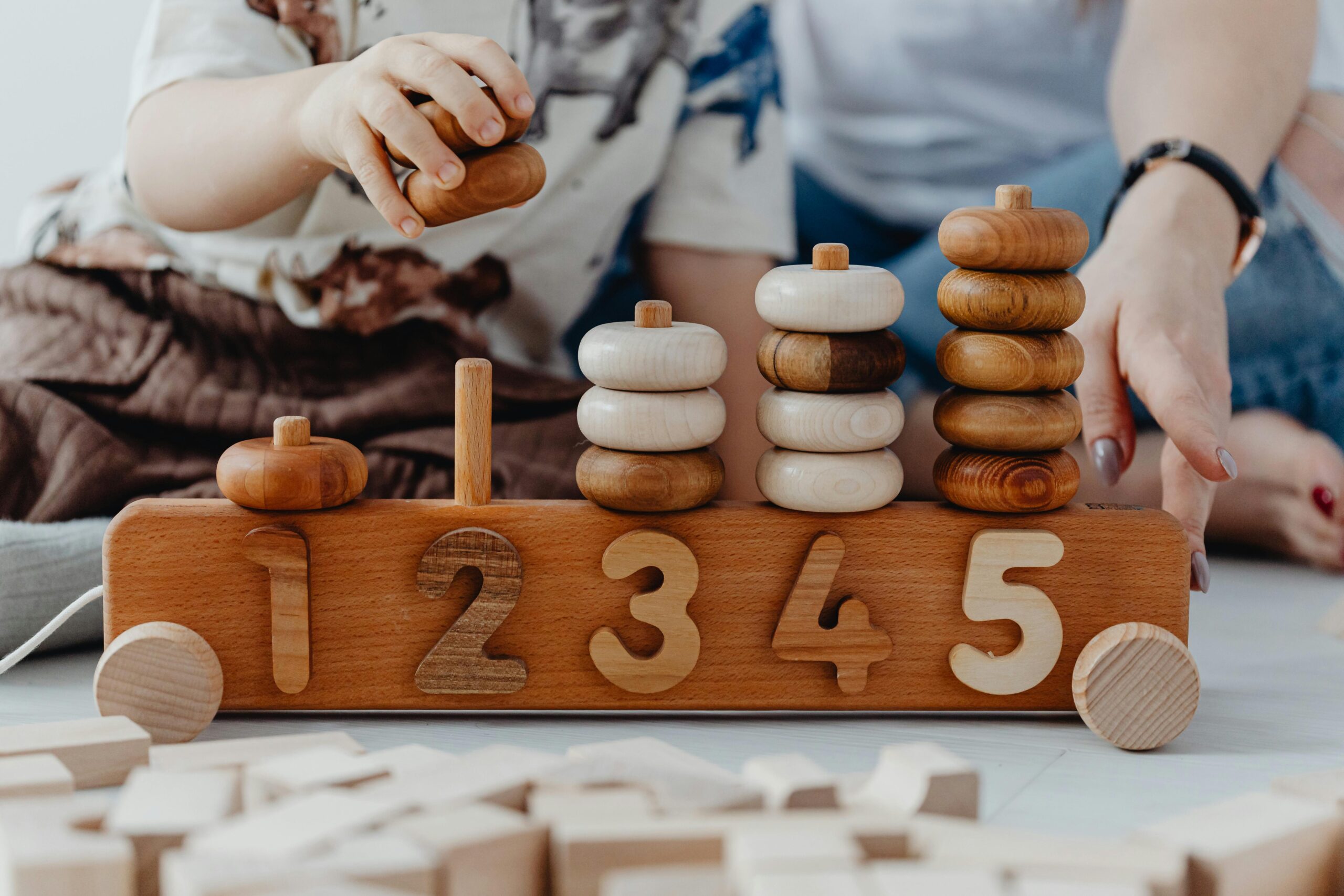
Educational toys for kids are not just for play—they help children explore, discover, and learn in exciting ways. These special toys spark curiosity, encourage creativity, and support key skills that shape a child’s mind and personality. Every parent wants their child to be happy and smart, and choosing the right educational toys for kids can make learning a joyful adventure.
What Makes Toys Educational?

Not all toys are created equal. Educational toys for kids have one important goal: they help children learn while playing. These toys are carefully designed to teach children skills such as problem-solving, teamwork, motor coordination, math, language, and even social skills. Even classic toys like building blocks and puzzles have hidden lessons.
When selecting educational toys for kids, adults should look for items that:
Challenge a child’s mind without causing stress
Offer hands-on activities instead of just screen time
Encourage questions and imagination
Match the child’s age and interests
Why Learning Through Play Matters
When children play, they do more than have fun. Play is a powerful tool for learning. Scientific studies show that kids who learn through play develop better memory, language skills, and the ability to solve problems. Educational toys for kids turn everyday moments into chances to explore the world.
For example, stacking colorful blocks helps children understand shapes, gravity, and coordination. Matching games and memory cards boost attention and recall. Science kits introduce experiments, sparking a love for discovery.
Types of Educational Toys for Kids
The world of educational toys for kids is vast and exciting. Here are some popular toy types that combine learning and fun:
Building Blocks and Construction Sets
Kids build towers, bridges, and cities with blocks
These toys teach engineering, math, and planning
Children learn patience, focus, and teamwork
Puzzle Games
Jigsaw puzzles, mazes, and logic games build reasoning
Kids develop concentration and problem-solving skills with every piece
Wooden and magnetic puzzles are safe and colorful
Science Kits
Simple chemistry sets introduce reactions and safe experiments
Magnifying glasses and bug-catching kits make nature fascinating
Kids learn about mixing, measuring, and the scientific method
Art and Craft Kits
Drawing sets, clay modeling kits, and bead-makers unlock creativity
Children express their feelings, ideas, and artistic side
Craft toys improve hand-eye coordination and patience
Musical Instruments
Toy drums, pianos, and guitars introduce rhythm and sound
Kids start learning patterns, listening skills, and self-expression
Music toys support emotional intelligence and memory
Interactive Learning Toys
Electronic books, talking alphabet boards, and math games make education lively
Kids interact with stories, numbers, and quizzes
These toys adapt to the child’s level and progress
Outdoor Educational Toys
Kites, gardening kits, and sports gear teach teamwork, responsibility, and appreciation of nature
Kids learn about the environment, seasons, and healthy living
How Educational Toys for Kids Support Growth
Brain Development

Educational toys for kids stimulate brain growth by creating new connections. When children build, solve, and experiment, their brains work harder—making them smarter and sharper with every attempt.
Social Skills
Sharing toys, playing in groups, and following rules during board games teach children how to communicate, negotiate, and make friends. Kids learn to wait for their turn, celebrate team wins, and support others.
Emotional Growth
Winning or losing a game helps children deal with feelings. They celebrate success but also learn to handle disappointment gently. Role-play toys allow children to imagine different professions—from doctors to astronauts—creating empathy and self-confidence.
Motor Skills
Educational toys for kids often involve physical actions—grasping, stacking, drawing, or moving pieces. Every movement helps develop fine motor skills and coordination, which are important for school activities like writing.
Choosing the Best Educational Toys for Kids
Selecting the right toy may seem tricky, but a few tips can make it simple:
Age Appropriateness: Make sure the toy matches the child’s age and level.
Safety: Look for toys made with safe materials. Avoid small parts for younger children.
Flexibility: Pick toys that can be played with in many ways. Open-ended toys encourage creativity.
Interactivity: Choose toys that require participation, not just passive watching.
Interest-Based: Observe what the child likes—space, animals, music, or art—and select toys around those themes.
Interactive Play Ideas

Here are a few ways to make educational toys for kids even more fun:
Hold building competitions and award creative prizes
Make puzzle-solving a team challenge with friends or family
Create homemade science experiments using kitchen items
Organize art exhibitions to showcase kids’ creations
Set up mini-concerts for children to play their musical instruments
Technology and Educational Toys for Kids
Modern educational toys for kids often use technology. Smart robots, coding kits, and learning tablets are tools for today’s generation. These toys introduce STEM (Science, Technology, Engineering, Math) concepts early.
However, adults must balance screen time with physical activity. Mixing tech toys with traditional options helps children get the best of both worlds.
DIY Educational Toys for Kids
Not all educational toys have to be store-bought. Creative adults and children can make toys at home from everyday items:
Cardboard boxes become castles or spaceships
Kitchen utensils can be used for noise-making instruments
Old magazines or newspapers work for collage art
DIY toys encourage resourcefulness and sustainability, teaching kids about recycling and creativity.
Benefits Backed by Experts
Experts in child development emphasize the benefits of educational toys for kids. Psychologists and teachers agree that playful learning helps children:
Build confidence
Develop logical thinking
Understand cause and effect
Improve concentration
Strengthen language and math skills
The right toy can make these benefits accessible for all children, regardless of background or interests.
Frequently Asked Questions

Do educational toys for kids replace regular study?
No. Educational toys for kids add to classroom learning. When children play after school or on weekends, these toys reinforce lessons and build new skills.
Are expensive toys always better?
Not necessarily. Sometimes, low-cost or homemade toys are more creative and effective. Fancy toys are fun, but the best educational toys for kids allow children to think, explore, and create.
How often should children use educational toys?
Daily play is ideal. Even short 10-15 minute sessions can make a difference. Mixing different kinds of toys keeps children interested and sparks learning.
Smart and Eco-Friendly Toy Innovations
In recent years, there’s been a rise in STEM toys and eco-friendly materials. Modern educational toys for kids now frequently feature sustainable materials such as recycled plastics and responsibly sourced wood, teaching children the value of caring for their planet while learning vital concepts.
Augmented Reality (AR) and Virtual Reality (VR)
Educational toys for kids are taking learning to the next level by integrating AR and VR technologies. These toys can transport children to places like ancient ruins or even inside the human body through immersive play experiences, making big topics fun and memorable.
AI and Personalized Learning Toys
AI-powered toys are now able to adapt to a child’s learning pace and style. Many new educational toys for kids use sensors and adaptive software to track progress, giving tailored feedback and ensuring every play session is unique and effective.
Outdoor and Active Learning Kits
Outdoor kits such as astronomy sets, gardening kits, and nature exploration toys encourage kids to learn away from screens. These educational toys for kids foster curiosity about the natural world and healthy activity, marrying science and playfulness.
Parental Strategies for Toy-Based Learning
Parents can get more from educational toys for kids by:
Integrating learning toys into everyday routines like breakfast or bath time. This natural approach makes playtime both fun and effective.
Rotating toys to keep interest fresh and avoid boredom.
Joining children in play, asking questions or starting team challenges to boost social skills and collaborative learning.
Board Games and Escape-Room Experiences
Strategy games and themed escape-room toys encourage teamwork, patience, and problem-solving. These types help children learn to plan, cooperate, and solve puzzles creatively—important skills for future success.
DIY and Invention Kits
With invention kits, children can construct eco-friendly gadgets or simple machines with household items, sparking both creativity and a deeper understanding of engineering concepts. These educational toys for kids promote sustainability and hands-on exploration.
Building a Learning-Focused Home
Parents and caregivers are guides in the world of educational toys for kids. Creating a playful, learning-focused home environment supports curiosity and discovery. Simple steps include:
Keeping toys within reach
Setting aside a special space for play
Playing together and joining children’s activities
Encouraging children to explain what they learned after playtime
Educational Toys for Kids in the Digital Age
Today, educational toys for kids come in many shapes and forms—classic, digital, and hybrid. The best approach is to offer variety. Children need both hands-on play and digital learning.
Make sure to check reviews, ratings, and safety before buying new toys. Trusted brands and expert recommendations help ensure positive experiences.
Final Thoughts
Play is not just a break from learning—it is learning in action. Educational toys for kids inspire young minds, preparing them for school and life. By choosing wisely, creating a playful home, and engaging in interactive activities, parents and caregivers help children grow, learn, and reach their dreams. Every toy has the power to unlock new worlds of imagination, knowledge, and joy.